How Digital Platform Algorithms Shape Selection Patterns for Prediction Specialists
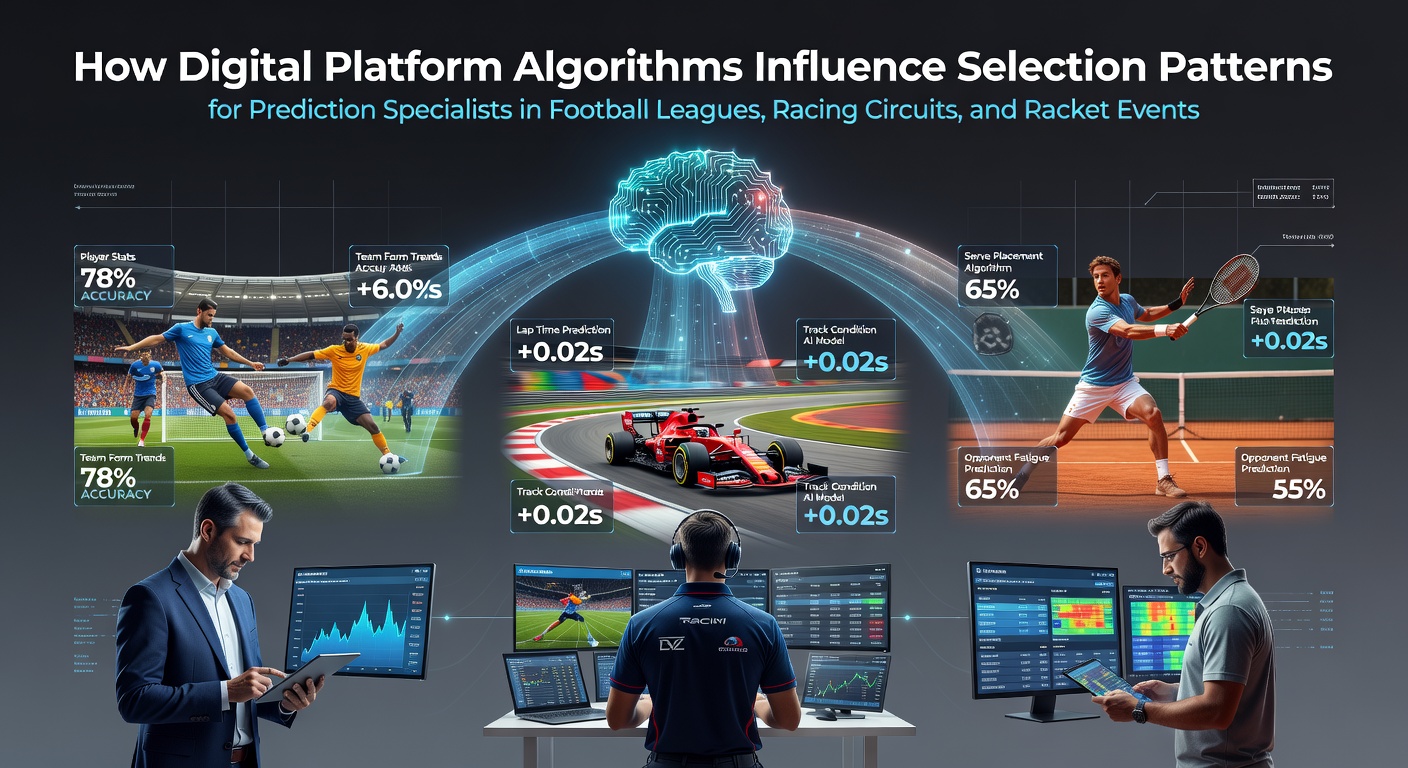
Prediction specialists who focus on football leagues, racing circuits, and racket events rely on digital platforms to gather data and refine their selections, yet those same platforms use algorithms that filter and prioritize information in ways that directly affect decision patterns. These systems process user behavior, historical performance metrics, and real-time feeds to determine which matches, races, or matches receive visibility, and specialists must navigate the resulting recommendations when building their forecasts. Research from the European Commission's 2025 digital markets report shows that recommendation engines on major betting and analytics platforms adjust content exposure based on engagement signals, which in turn influences the types of events prediction specialists examine most closely. In football, algorithms often elevate leagues with high social media activity, leading specialists to review data from those competitions more frequently than lower-profile divisions during the same period.
Algorithm Mechanics in Multi-Sport Environments
Platforms deploy machine learning models that rank events according to predicted user interest, incorporating factors such as recent betting volume and media coverage. Specialists working across football, racing, and tennis encounter these rankings when searching for statistics or following curated feeds, and the order of results shapes which opportunities they investigate first. Data from the Australian Institute of Sport's 2024 performance analytics study indicates that algorithmic prioritization can shift attention toward high-velocity markets, such as Premier League fixtures or Group 1 races, while reducing exposure to mid-tier events unless users actively override default settings. This dynamic creates measurable differences in the volume of analysis applied to various sports within a single workflow.
Football League Selection Patterns
In football, algorithms track patterns in goal-scoring trends and player availability updates, then surface related content to users who previously engaged with similar matches. Prediction specialists therefore encounter more material on leagues that generate consistent interaction, which can concentrate their research efforts on those competitions during the spring months. By May 2026, updates to platform interfaces had incorporated additional layers of personalization that linked live score notifications with historical head-to-head records, prompting specialists to revisit certain fixtures more often. Observers note that this feedback loop can narrow the range of leagues under active consideration when volume of data becomes a limiting factor.
Racing Circuit Adjustments
Racing platforms apply algorithms that weigh factors such as track conditions and jockey statistics against user search histories, resulting in tailored lists of upcoming races. Specialists who monitor multiple circuits find that certain meetings appear higher in feeds when they align with previously viewed content categories, affecting which races receive detailed form study. Industry reports compiled by the North American Racing Analytics Consortium highlight how these systems adjust visibility based on time-of-day engagement peaks, which can steer attention toward evening meetings on specific circuits while de-emphasizing daytime events unless manual filters are applied. The outcome is a measurable concentration of selection activity around algorithm-favored races.

Racket Event Focus Areas
Tennis prediction workflows intersect with algorithms that prioritize matches involving high-ranking players or those generating significant discussion volume. Specialists examining WTA or ATP schedules therefore receive more frequent prompts about headline events, which can influence the depth of analysis dedicated to lower-tier tournaments. A 2025 paper published by the University of Melbourne's Sports Data Lab documented how platform ranking systems correlate with increased review rates for certain surface types and tournament stages, creating observable shifts in the matches specialists select for closer examination. These patterns emerge consistently when users rely on default recommendation settings rather than custom queries.
Cross-Sport Data Interactions
Specialists who operate across all three domains encounter algorithms that blend insights from football, racing, and tennis into unified dashboards, yet the weighting of each sport depends on individual platform usage history. This integration can lead to more frequent cross-referencing between sports when one area shows elevated activity signals. Regulatory filings submitted to the Canadian Centre for Gaming Research in early 2026 recorded that such blended interfaces increase the likelihood of specialists adopting selection criteria derived from algorithm-suggested correlations rather than independent data reviews. The effect appears most pronounced when users manage multiple accounts across different platforms simultaneously.
Conclusion
Digital platform algorithms continue to guide the information environment in which prediction specialists operate, producing measurable effects on which football leagues, racing circuits, and racket events receive primary attention. These systems operate through established ranking mechanisms that respond to engagement data, and specialists who work across multiple sports must account for the resulting visibility patterns when compiling their selections.