Navigating Regulatory Shifts: Impacts on Prediction Services for Various Sports
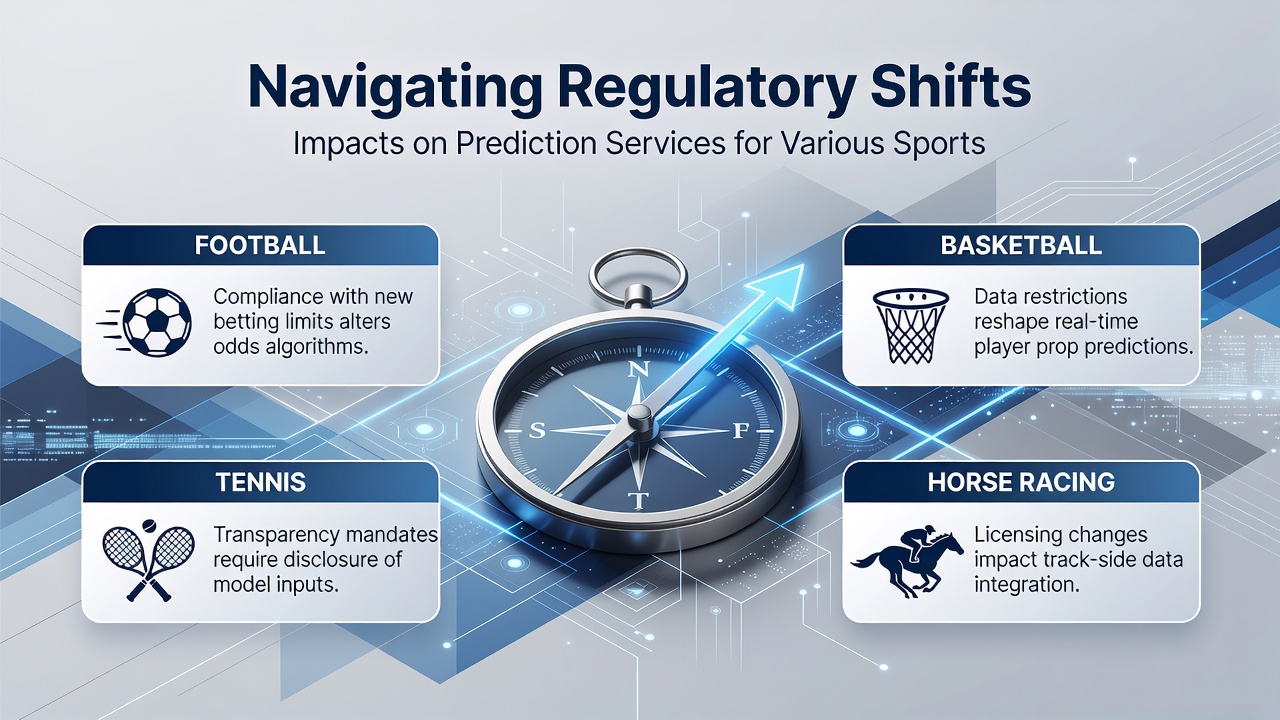
Regulatory frameworks across multiple jurisdictions continue to evolve, and these changes reshape how prediction services operate in football, tennis, and horse racing markets. Data from industry reports shows that operators must now integrate stricter licensing protocols, data protection measures, and advertising guidelines when delivering outcome forecasts or statistical models to clients. Services that once relied on broad data scraping now face tighter restrictions on real-time information feeds, which forces adjustments in how algorithms process match statistics, player performance metrics, and track conditions.
Regional Regulatory Developments and Their Reach
European authorities implemented phased updates to digital services rules in early 2026, while several US states expanded oversight through gaming control boards that require prediction platforms to register as ancillary service providers. Australian state regulators introduced similar requirements around data sourcing transparency, and these measures affect companies supplying forecasts for grand slam events and thoroughbred racing calendars. Observers note that firms operating across borders often maintain separate compliance teams to track varying thresholds for consumer protection disclosures, and this approach adds operational layers without halting core analytical work.
Prediction services handling tennis withdrawal data or football lineup changes must now verify that their sources comply with new privacy standards, since regulators in multiple regions treat such inputs as personal information when linked to identifiable athletes. Research from academic centers tracking iGaming trends indicates that services incorporating live odds adjustments have encountered longer approval timelines for model updates, particularly when those models draw on cross-border data pools. Those who manage horse racing tip sheets face parallel constraints because track-specific variables like rail positions and surface moisture now require documented sourcing chains to satisfy audit requests.
Effects on Data Collection and Model Accuracy
Services that aggregate serve percentages, goal tallies, and sprint times have adjusted collection methods to stay within permitted boundaries, and this shift sometimes reduces the granularity of historical datasets used for training. Figures from industry associations reveal that many platforms responded by partnering with licensed data vendors rather than direct scraping, which preserves access to verified statistics while meeting documentation standards. In July 2026 several North American jurisdictions began enforcing enhanced verification for any service linking predictions to betting activity, and this prompted providers to add disclaimers plus usage tracking features that log how clients interact with forecasts.
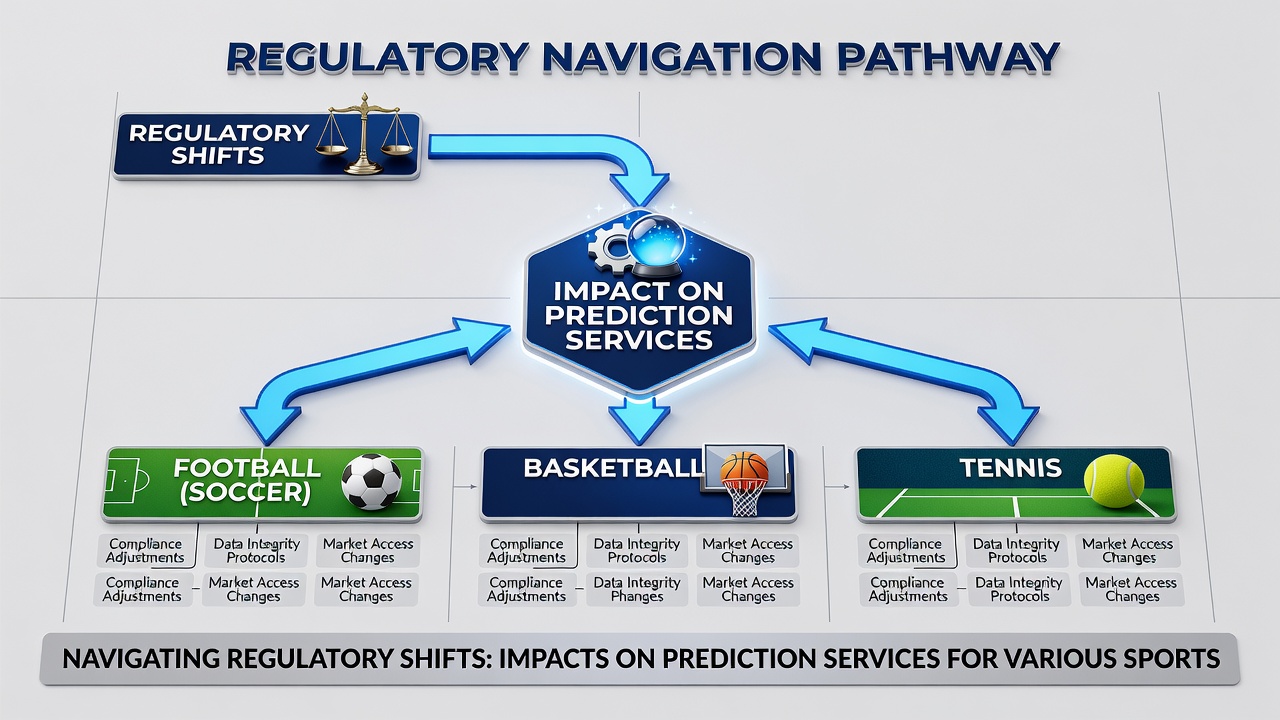
One study released by a Canadian research institute examined how these rules altered model refresh rates across prediction providers, and the findings showed modest declines in update frequency yet stable accuracy when teams invested in alternative data partnerships. Experts tracking these patterns point out that services covering football accumulators alongside tennis set predictions often consolidate compliance reporting to avoid duplicative filings, and this consolidation reduces administrative overhead while keeping outputs consistent. Horse racing prediction tools that factor in jockey changes or weather impacts have incorporated similar documentation practices, since regulators increasingly request evidence that models exclude restricted information categories.
Operational Adjustments Across Sports Markets
Platforms delivering predictions for premier league fixtures, ATP tournaments, and flat racing meets now embed audit trails within their software pipelines, and these trails allow quick responses to regulatory queries about data lineage. Industry organizations report that smaller operators sometimes merge resources with larger analytics groups to share compliance infrastructure, which keeps specialized models viable without separate licensing costs. Services that once published free daily previews have shifted toward subscription frameworks that include explicit consent flows, and this change aligns with rules governing promotional content tied to gambling activities.
Prediction accuracy metrics remain central to client retention, yet providers must balance those metrics against disclosure requirements that list limitations of each forecast. Data indicates that firms covering multiple sports coordinate their regulatory filings to present unified risk assessments, and this coordination proves useful when authorities request cross-sport comparisons of model performance. Those managing services for youth academy matches or challenger circuits apply the same verification steps used for major events, which maintains consistency across their product range.
Future Outlook for Compliance and Innovation
Regulatory bodies continue to refine definitions of what constitutes a prediction service, and these refinements influence how new entrants design their offerings for football, tennis, and horse racing audiences. Providers respond by investing in modular architectures that allow rapid updates when rules change in specific jurisdictions, and this flexibility supports continued delivery of statistical insights without repeated full-scale rebuilds. Academic papers examining these dynamics note that collaboration between prediction firms and licensed operators has increased, since joint approaches streamline reporting while preserving the analytical independence that clients expect.
Conclusion
Regulatory shifts have prompted measurable adaptations in data handling, model maintenance, and client communication practices within prediction services for various sports. Evidence from multiple regions shows that providers maintain operational continuity through documented sourcing, licensed partnerships, and transparent disclosures, while ongoing refinements from authorities keep compliance as an integrated part of service delivery rather than an external add-on. These patterns suggest that prediction services will continue evolving alongside the regulatory landscape without interruption to core forecasting functions.