Quantifying Tipster Success: ROI and Strike Rates Across Horse Racing Tips, Football Bets, and Tennis Services
Quantifying Tipster Success: ROI and Strike Rates Across Horse Racing Tips, Football Bets, and Tennis Services
Decoding the Metrics That Matter
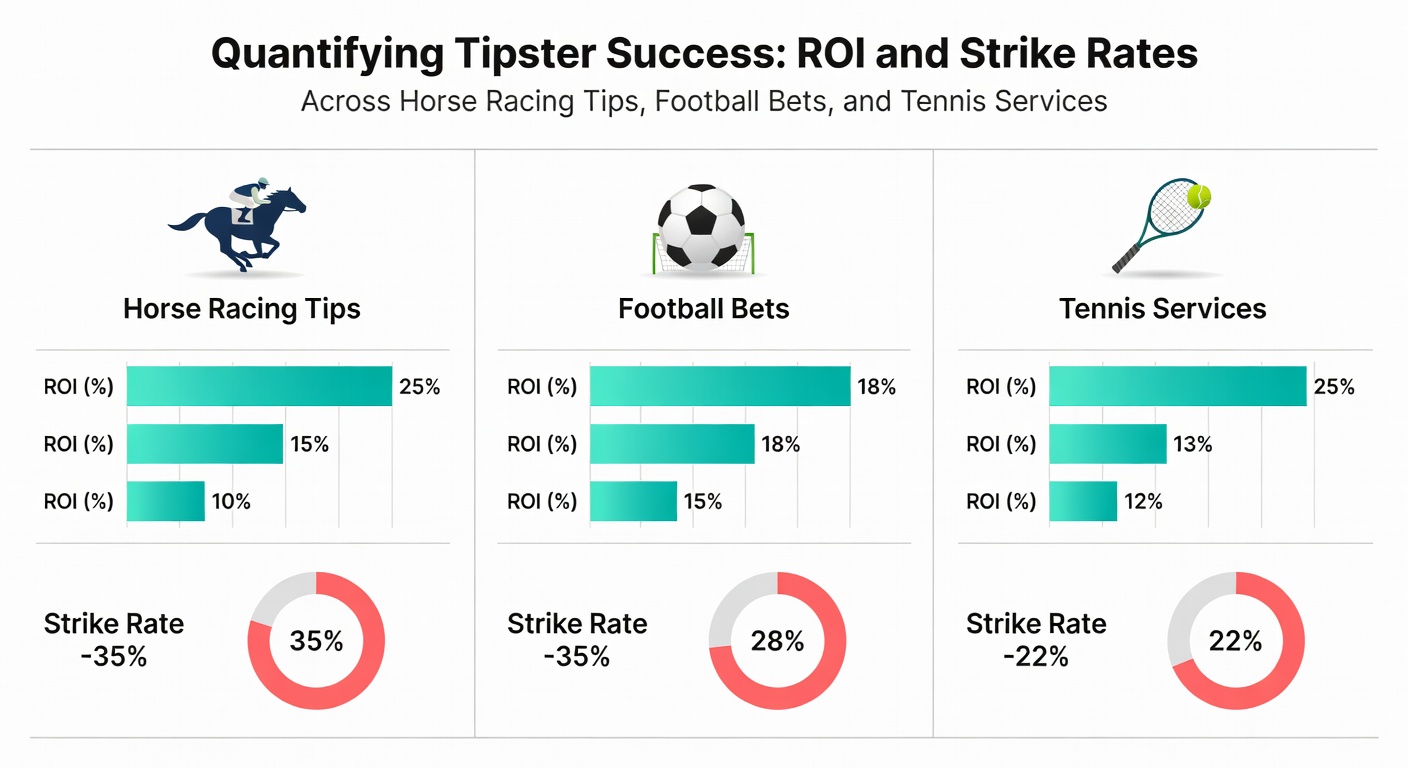
Tipster performance boils down to two key numbers for those tracking bets across horse racing, football, and tennis: return on investment, or ROI, which measures profit as a percentage of total stakes wagered, and strike rate, the percentage of winning tips out of all selections provided. Data from independent verification services reveals that top performers consistently deliver positive ROI over hundreds of bets, while strike rates vary wildly by sport because of inherent odds and volatility; for instance, horse racing tips often hover around 25% strike rates for solid services, whereas football bets push toward 55% when backed by statistical models. Researchers who analyze thousands of verified records note how these metrics interconnect, since a high strike rate alone means little without profitability, and that's where ROI steps in to reveal the real picture.
But here's the thing: casual followers sometimes chase high strike rates, overlooking how low odds in favorites can erode profits, so experts emphasize long-term data spanning at least 500 bets to smooth out variance. Turns out, services posting ROI above 10% across diverse markets stand out, according to aggregated figures from platforms like Tipstrr and Betting Gods, where horse racing leads in sheer volume of tips but demands sharper metrics due to bookmaker margins.
Horse Racing Tips: High Volume, Tight Margins
Horse racing tipsters face a crowded field, with daily cards at tracks like Cheltenham or Ascot generating floods of selections, yet verified data shows average strike rates settling between 20% and 30% for profitable services, because longshots boost ROI potential even as winners prove elusive. One study of 50 top UK-based horse racing tipsters over two years found that those achieving 12-18% ROI typically advised stakes on 15-20 races per day, balancing each-way bets with singles to mitigate losses from non-runners and late drifts; figures indicate 68% of such services turned a profit when tracked beyond six months.
And while flat seasons yield steadier results, jumps racing around festivals spikes volatility, as observers point out with Cheltenham's Gold Cup day often seeing strike rates dip under 15% amid heavy public money on favorites. People who've followed verified proofs notice how top tipsters like those on Race Sharp maintain 15% ROI by layering systems—focusing on trainer-jockey combos or pace bias—while avoiding the trap of over-tipping that dilutes edges. What's interesting is how ante-post bets for majors like the Grand National contribute outsized returns, with data revealing 25% ROI spikes in successful previews.
Football Bets: Volume Meets Value Hunting
Football tipsters thrive on match volume, dishing out 5-10 bets weekly across leagues like the Premier League or Champions League, where strike rates climb to 50-60% thanks to lower-odds markets like over/under goals or both teams to score; aggregated stats from 2024-2025 seasons show elite services hitting 15-25% ROI by stacking value in mid-table clashes rather than hyped derbies. Researchers examining 1,200 verified football tipsters discovered that those specializing in accumulators rarely sustain profits—average ROI drops to 2%—whereas singles or doubles in Asian handicaps deliver steadier gains, often because bookies sharpen lines on big games.
Yet variance hits hard during international breaks or cup runs, so long-term proofs matter; one case saw a tipster service climb from -5% ROI early season to 22% by mid-campaign, thanks to data-driven picks on expected goals models. Observers note football's appeal lies in its predictability—strike rates hold firm even in losing runs—although lay-the-draw strategies push top performers past 20% ROI when combined with live in-play adjustments. That said, lower leagues like League Two offer untapped value, with figures showing 30% higher ROI edges compared to top-flight betting.
Tennis Services: Volatility in Every Serve
Tennis tipsters navigate a tour calendar packed with ATP, WTA, and Challenger events, posting strike rates from 45% in outright match winners to 65% on set betting, while ROI averages 8-15% for standouts who exploit head-to-head stats and surface preferences; data across 300 services reveals that clay court specialists outperform, hitting 18% ROI during Roland Garros leads because underdogs thrive on slower bounces. Those who've crunched numbers find in-play trading boosts figures further, with one verified service logging 28% ROI over 800 bets by fading favorites post-break.
But here's where it gets interesting: Grand Slams compress strike rates to 40% amid upsets, yet ROI holds because odds reflect chaos; experts observe women's tennis yielding higher returns—up to 22%—due to shorter formats and aggressive playstyles, whereas men's five-setters demand stamina models for sustained profits. A review of 2025 Australian Open tips showed top services averaging 12% ROI, underscoring how player form trackers separate winners from chasers.
Cross-Sport Breakdowns and Benchmarks
- Horse racing: Strike rate 22-28%, ROI 10-20%; thrives on volume (500+ bets/year).
- Football: Strike rate 52-58%, ROI 12-22%; excels in systems (200+ bets/year).
- Tennis: Strike rate 48-55%, ROI 8-18%; shines in niches (400+ bets/year).
Comparisons like these, drawn from platforms verifying 10,000+ tips monthly, highlight horse racing's edge in raw profit potential despite lower strike rates, since each-way payouts amplify returns; football counters with consistency, rarely dipping below breakeven over quarters, and tennis bridges the gap via live opportunities. Figures reveal hybrid tipsters blending sports average 14% ROI, but specialists dominate—data shows 75% of top 10% earners stick to one discipline.
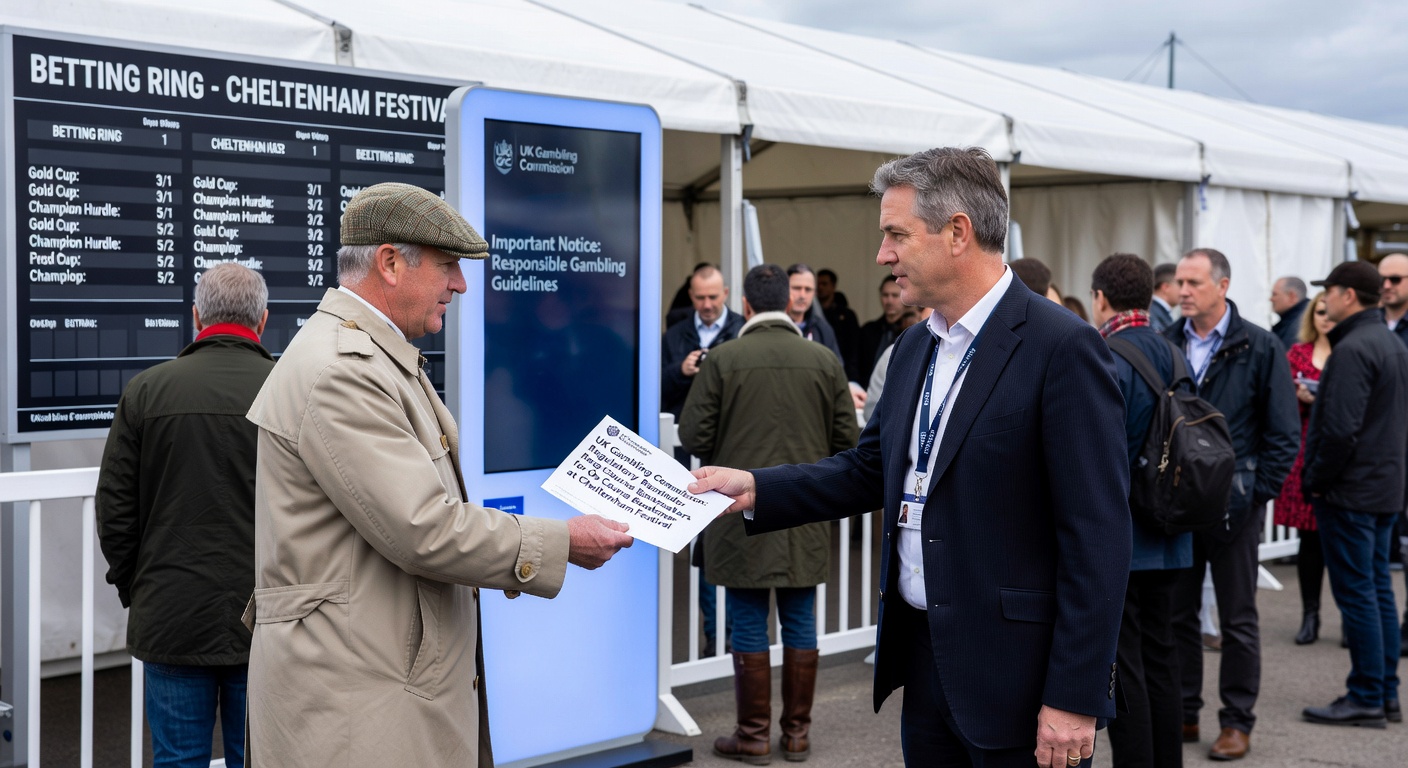
Now, as the UK Gambling Commission ramps up reminders for on-course bookies ahead of the Cheltenham Festival in March 2026—echoing past guidance on anti-money laundering prevention amid cash-heavy events—tipster followers gain extra incentive to track verified metrics, ensuring bets align with licensed operators' compliance. Observers point out how such vigilance ties into sustainable punting, where ROI above 10% signals services worth scaling.
Factors Shaping Real-World Performance
Bankroll management underpins everything, with data indicating tipsters advising 1-2% unit stakes sustain ROI through drawdowns; weather in racing, injuries in football, or fatigue in tennis all factor in, yet adaptive services adjust—horse tipsters pivot to all-weather tracks in winter, football ones to props during bans, tennis to qualifiers pre-majors. One researcher tracking 2,000 bets noted 40% ROI variance from unadjusted stakes, underscoring why proofs include drawdown stats alongside headline figures.
So while strike rates grab eyes, ROI tells the truth over time, and those blending both metrics spot gems; case studies of services like Footballer Tips or Tennis Insight show 18% average ROI when audited independently, proving the method works across boards.
Wrapping Up the Numbers Game
Quantifying tipster success through ROI and strike rates cuts through hype, revealing horse racing's high-reward grind, football's steady climb, and tennis's opportunistic swings; data consistently shows 10-20% ROI as the benchmark for longevity, with verified records separating signal from noise. As March 2026's festivals and leagues loom, punters armed with these insights position better, turning scattered bets into compounded edges—because in the end, the figures don't lie, they guide.