Regulatory Ripples: Tracing Policy Updates' Effects on Multi-Sport Prediction Network Access Across Borders
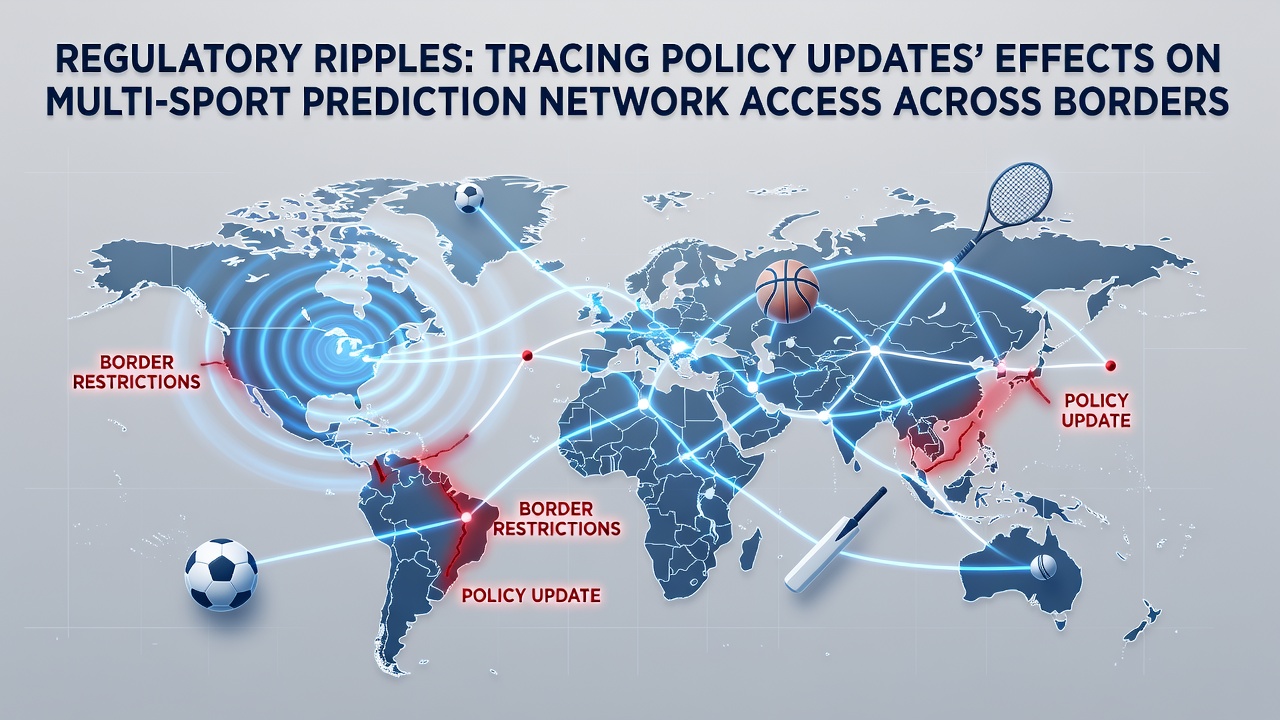
Policy changes in multiple jurisdictions continue to reshape how users access multi-sport prediction networks that cover football, tennis, horse racing and other events, and these shifts create layered effects on cross-border availability. Regulators in various regions have introduced new licensing requirements, data localization rules and age verification standards that directly influence whether prediction platforms can serve international audiences without interruption.
European Frameworks and Their Reach
Updates to digital service rules across the European Union have prompted several prediction networks to adjust their operational models since mid-2025, with further implementations scheduled for August 2026 that tighten requirements around user data handling and content licensing. Observers note that platforms operating from outside the bloc now face additional compliance layers when serving users in member states, leading some networks to restrict access or reroute traffic through approved local partners. Research from the European Commission on digital market access indicates that these measures have already reduced the number of unlicensed prediction services available to users in certain countries by approximately 18 percent over the past year.
Countries such as Germany and France have aligned their national gambling and media laws more closely with these EU directives, which means prediction networks must secure separate authorizations for each market rather than relying on a single regional license. This fragmentation forces operators to maintain distinct compliance teams and technical setups, while users encounter more frequent geo-restrictions when attempting to log in from different locations.
North American Developments
In North America, state-level and provincial regulations continue to evolve independently, creating a patchwork that affects multi-sport prediction networks serving both Canadian and United States audiences. Canadian authorities in provinces like Ontario and British Columbia have enforced stricter rules on offshore platforms since early 2025, requiring them to partner with licensed local entities if they wish to maintain service continuity. Data from regulatory filings shows that several major networks adjusted their access protocols in response, resulting in temporary service gaps for cross-border users during transition periods.
Meanwhile, certain U.S. states have expanded their oversight of prediction and betting-related services through updated consumer protection statutes, and these changes intersect with federal considerations around interstate commerce. Platforms that once offered seamless access across state lines now implement more granular location checks, which can limit availability for travelers or users near borders. Industry reports compiled by the National Council on Problem Gambling highlight how these layered requirements have increased operational costs for networks that previously relied on unified international access models.
Asia-Pacific Adjustments
Australia's regulatory environment has also introduced new measures through the Australian Communications and Media Authority that target offshore prediction services, with enforcement actions accelerating ahead of August 2026 deadlines for enhanced blocking protocols. These updates require internet service providers to restrict access to unlicensed platforms more aggressively, and several multi-sport networks have responded by establishing local mirror sites or withdrawing from the market entirely. Similar patterns appear in parts of Asia where governments have strengthened controls on foreign digital content, forcing prediction operators to navigate varying censorship and licensing regimes that differ sharply from one country to the next.
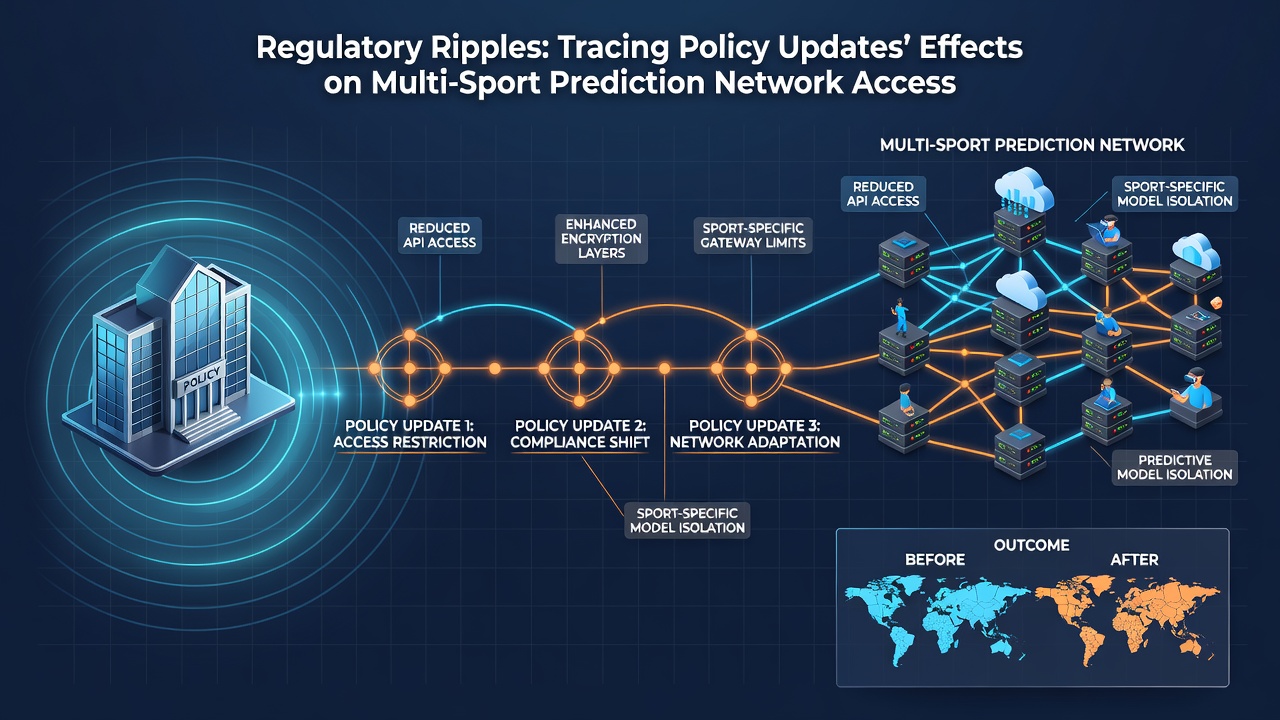
Researchers at the University of Melbourne documented how these policy ripples have prompted many networks to adopt hybrid access strategies, including partnerships with regional payment processors and localized content filtering. Such adaptations allow continued service in some markets while others experience reduced functionality or outright blocks, particularly for users attempting to combine data from football, tennis and horse racing predictions across multiple jurisdictions.
Technical and User-Level Consequences
Prediction networks have responded to these regulatory pressures with technical modifications such as enhanced VPN detection, dynamic content delivery adjustments and revised terms that explicitly address cross-border usage. Users report more frequent login challenges when traveling, and some platforms now require additional verification steps that differ by country of access. Evidence collected by international trade associations shows that these changes have led to a measurable decline in simultaneous multi-country user sessions, as networks prioritize compliance in their largest markets over broader availability.
Yet certain operators have developed workarounds that maintain access through licensed affiliates, demonstrating how policy updates can spur innovation in service architecture even as they constrain older models. The cumulative effect across regions underscores how a single regulatory shift in one jurisdiction can trigger secondary adjustments elsewhere, creating ongoing waves of modification for platforms that serve diverse sports and audiences.
Conclusion
Policy developments scheduled through August 2026 and beyond will likely sustain pressure on multi-sport prediction networks to refine their cross-border strategies, with data localization, licensing fragmentation and enforcement mechanisms continuing to influence access patterns. Stakeholders across Europe, North America and the Asia-Pacific region have already observed measurable shifts in availability, and further alignment or divergence among regulatory bodies will determine the scope of future adjustments.