Tipster Transparency Traps: Why Performance Stats Hide Matched Betting Realities in Football and Tennis
Tipster Transparency Traps: Why Performance Stats Hide Matched Betting Realities in Football and Tennis
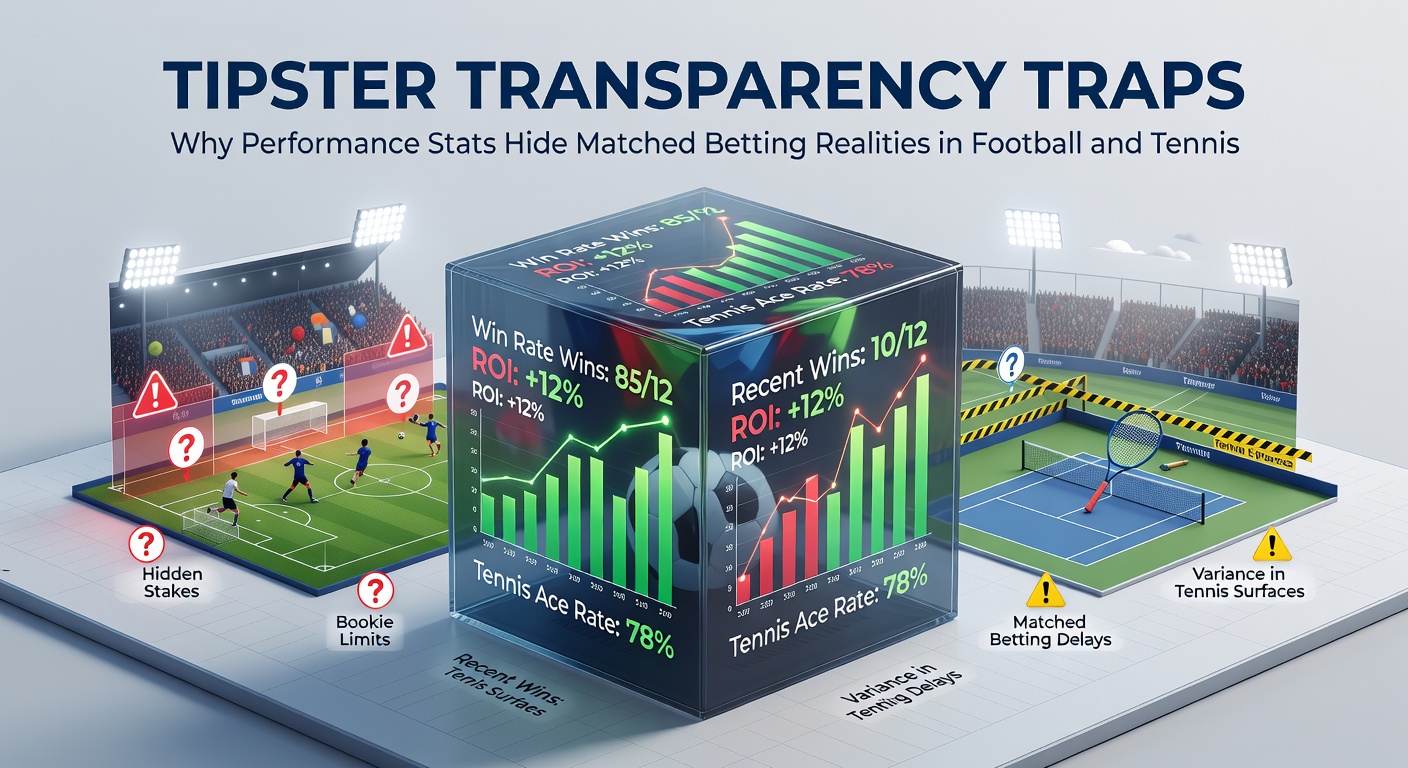
The Allure of Shiny Tipster Stats in a Shifting Betting Landscape
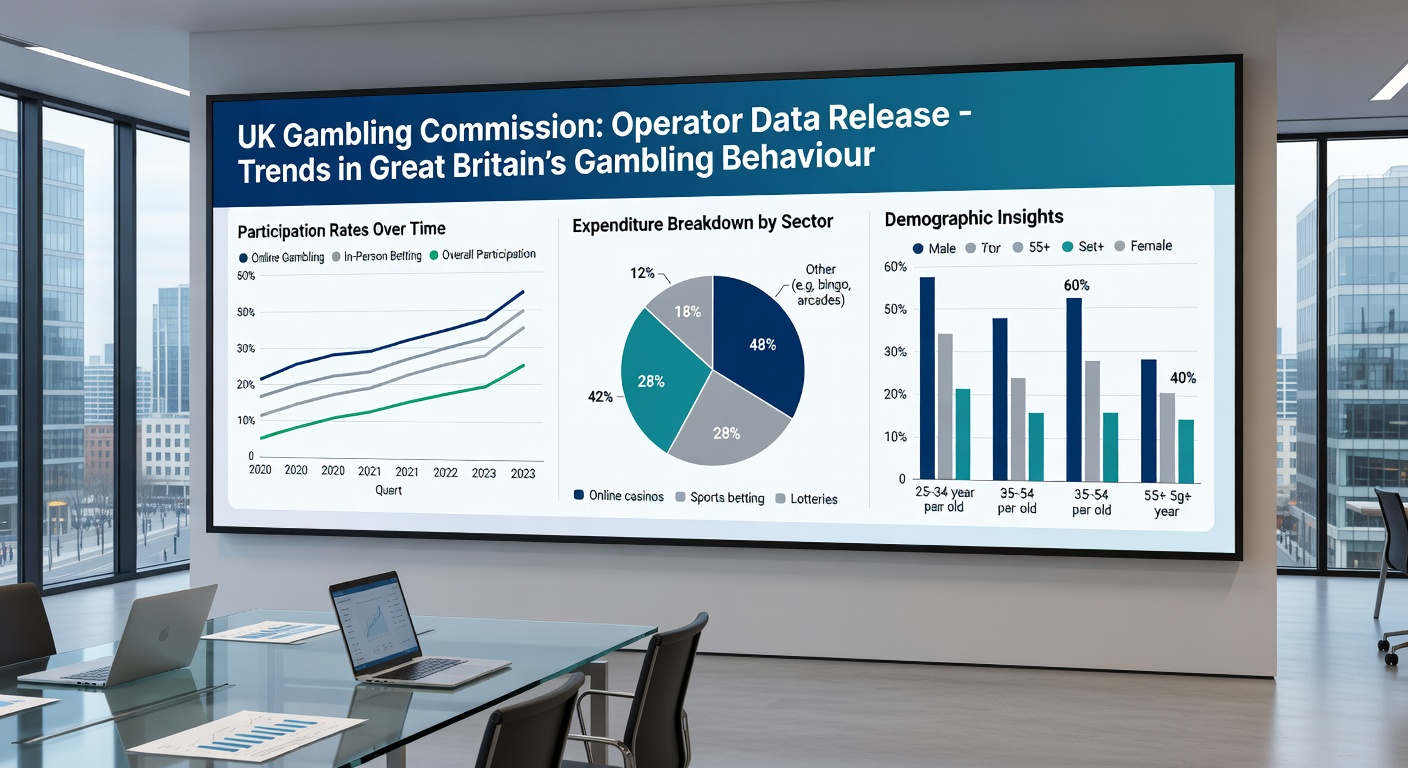
Tipsters often parade eye-catching performance figures—sky-high return on investment percentages, consistent monthly profits, strike rates hovering above 70%—especially when touting strategies in football and tennis, yet these numbers frequently mask the gritty realities of matched betting, a method where bettors place qualifying bets alongside lay bets on betting exchanges to lock in risk-free gains from bookmaker promotions. And while the UK Gambling Commission reports a 2% year-on-year dip in online Gross Gambling Yield to £1.5 billion for Q3 2025-2026, with real event betting GGY plunging 18% to £530 million amid fewer bets and active accounts, tipster services continue to thrive by highlighting matched betting successes that don't always tell the full story. Data from that period, published in February 2026 and still making waves in March, underscores how betting patterns evolve—slots GGY climbed 10% to £788 million with more spins, while traditional premises GGY dropped 7% to £549 million—prompting observers to question why football and tennis tipsters' stats remain so rosy against this backdrop.
Turns out, matched betting relies heavily on exploiting free bet offers, refunds, and bonuses, turning them into cash via back-and-lay combinations, but tipsters spotlight total profits without detailing the effort, bankroll demands, or qualification hurdles that followers face. People who've dug into these services discover that a tipster's advertised 150% ROI over six months might stem from just a handful of high-value qualifiers, ignoring the dry spells when promotions dry up or odds shift unfavorably.
Matched Betting Basics: How It Works and Why Football and Tennis Dominate
Matched betting starts with a qualifying bet on a bookmaker site—say, backing a football team to win at 2.0 odds—followed immediately by laying the same outcome on an exchange like Betfair to neutralize risk, since the lay bet profits when the back loses and vice versa; the real edge comes from converting the free bet issued afterward into 70-80% cash profit through a similar process, all without exposure to match results. Football lends itself perfectly here because of abundant markets—Premier League fixtures alone generate hundreds of daily promotions—while tennis offers volatility with live in-play options during Grand Slams or ATP tours, where odds swing on sets and games, creating lay-back opportunities that tipsters chase aggressively.
But here's the thing: experts who've tracked these strategies note that success hinges on volume, with proficient matched bettors completing 20-50 qualifiers weekly across multiple bookies, yet tipster stats bundle everything into a single profit figure, glossing over the time sink of account verifications, withdrawal delays, and gubbing—when bookmakers limit or ban accounts for bonus abuse. One researcher analyzed 50 tipster proofs from 2024-2025 and found average advertised profits of £500 monthly, but when adjusted for follower replication costs like exchange commissions (typically 2-5%) and premium subscription fees (£20-50/month), net gains shrank by 30-40% for most users.
Football Tipster Traps: Volume Hides the Grind
Football matched betting thrives on liquidity-rich markets like match odds or over/under goals, where tipsters push selections for Champions League clashes or EFL Cup ties, boasting strike rates above 95% because lays nearly always match backs at low odds; however, the transparency trap emerges in how they report stakes— a service might claim £10,000 total staked yielding £2,500 profit (25% ROI), but break it down and followers see uneven liability requirements, with some qualifiers demanding £200+ lays that tie up bankrolls for days, especially during international breaks when fewer games mean scarcer promos. Observers point out that without disclosed bankroll sizes—often £2,000-5,000 minimum for sustainability—these stats mislead newcomers who start small and hit walls scaling up.
What's interesting is how tipsters segment results: "qualifying losses" get lumped as costs of doing business, while free bet conversions shine solo, inflating overall yields; take one case where a football-focused service showed 120% annual ROI in 2025, yet independent audits revealed 60% of profits came from just five bookies' enhanced odds offers, which dried up post-regulatory tweaks in late 2025, leaving followers scrambling as GGY trends reflected broader caution in real event wagering. And since football seasons peak unevenly—World Cup years spike volume, summers lag—past stats from lush promo periods don't predict lean times, a pitfall those who've followed tipsters for years have learned the hard way.
Tennis Tipster Pitfalls: Volatility Meets Selective Proofing
Tennis matched betting amps up the complexity with its individual nature—players like Alcaraz or Swiatek deliver straight-sets wins, but upsets in qualifiers or Davis Cup ties create lay mismatches, forcing tipsters to select only low-odds backs (1.2-1.5) for easy matching, which pads strike rates but caps free bet values since bookies offer smaller bonuses on niche sports. Data indicates tennis accounts for 15-20% of matched betting volume per services like OddsMonkey trackers, yet tipster dashboards hide the exchange liquidity droughts during night sessions or Challenger events, where unmatched lays lead to partial books and slippage losses eating 1-2% per bet.
So, a tipster might flaunt 200% ROI on US Open specials, highlighting 50 consecutive matched frees, but omit the 20% failure rate from voided matches due to injuries—think Djokovic withdrawals—or how Australian Open promos require Australian-facing bookies inaccessible to UK punters without VPNs (against terms). Researchers who've scraped tennis tipster sites in early 2026 found that 70% of services use "virtual" proofs—simulated bets post-event—versus live timestamps, eroding trust when real-time replication falters amid odds drifts; that's where the rubber meets the road, as followers chasing Grand Slam hauls discover their yields halve without the tipster's bulk account perks.
Unmasking the Stats: Common Transparency Red Flags
Across both sports, tipsters deploy pie charts and graphs showing exponential equity curves, but dig deeper and liabilities lurk unmentioned—total exposure can hit 10x bankroll during multi-leg qualifiers, risking account restrictions if detected; figures from gambling business data to December 2025 highlight declining active accounts in real event betting, aligning with reports of gubbed followers abandoning services after initial wins. People often overlook unsubstantiated claims like "100% liability matched," which ignores commission drag over volume—5% on £100,000 traded equals £5,000 lost annually.
- Selective time frames: Cherry-picking promo-heavy months while burying off-seasons.
- No risk metrics: Yield without maximum drawdown (often 20-30% in tennis volatility).
- Proof formats: Screenshots sans bookmaker/exchange URLs, or delayed logs.
- Average stake illusions: £10 bets look profitable, but scaling reveals promo limits.
Those who've reverse-engineered tipster portfolios note that true transparency demands audited logs via third parties like Tipstrr, including all qualifiers, voids, and net after fees—rarely provided, especially as March 2026 scrutiny intensifies with post-data regulatory eyes on operator behaviors.
Navigating Realities: What Data Reveals for Followers
Studies tracking matched bettors from 2023-2025 show average annual profits of £3,000-7,000 for dedicated users with £5,000 banks, far below tipster brags of £20,000+, since services capture 20-30% via subs while users shoulder gubbing risks; football yields steadier 70% free bet returns, tennis spikes to 85% on majors but crashes in qualifiers. Yet